What is Rug Hooking?
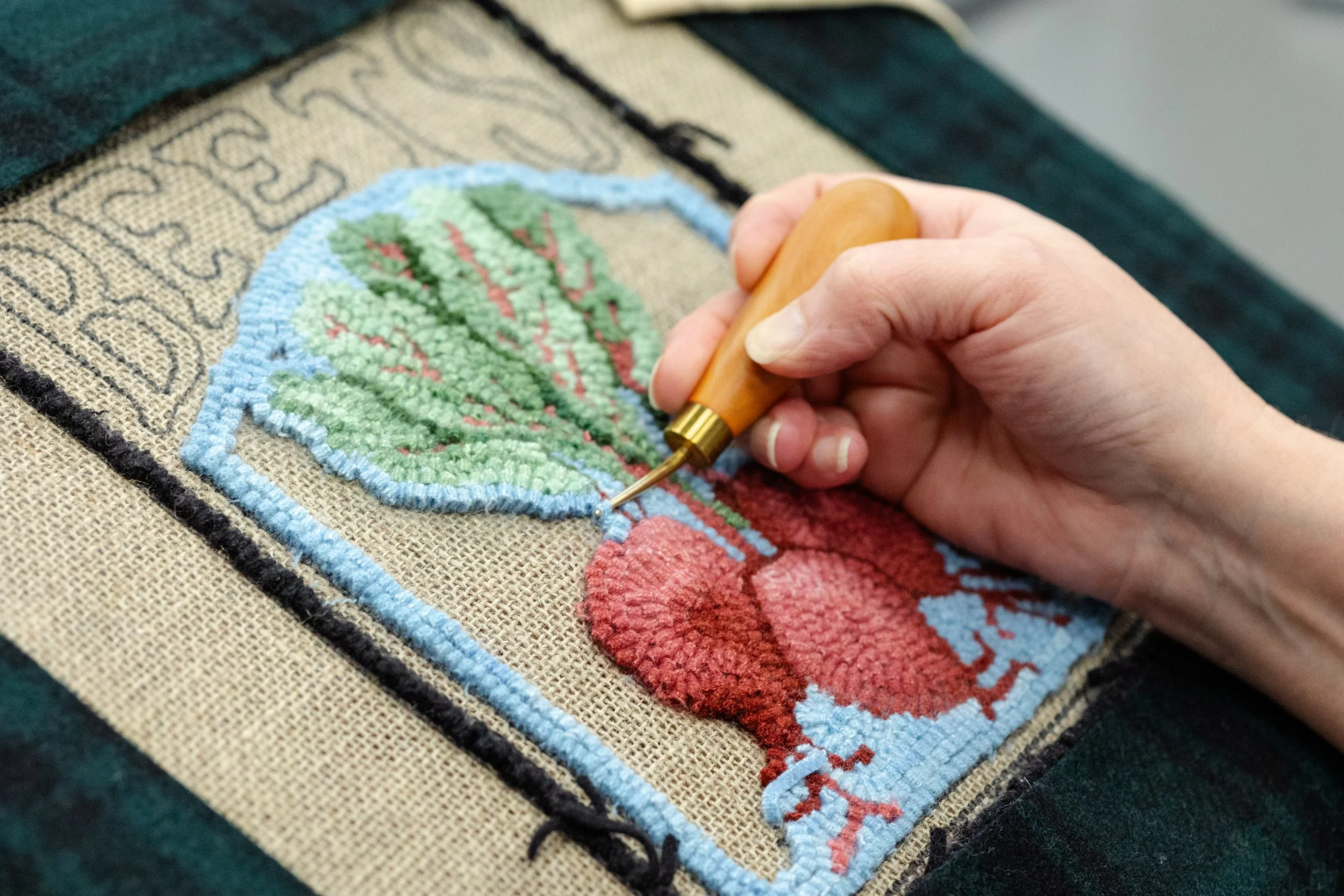
Photo Credits: Dawning Memories
Beets: Designed by Pearl McGown & Jane McGown Flynn; Taught by Sheri Matz; Hooked by Jennifer Kaylor
Traditional rug hooking, as we know it today, is a wonderful fiber art that was born in the early 1800’s by working-class families who couldn’t afford expensive imported rugs. These early rugs, in their simplistic designs, were both functional and beautiful. By the mid-1800’s, recycled burlap feed sacks and worn-out clothing became the popular materials of choice. However, hand-hooked rug making was not limited to just women. Sailors were also known to pull loops while out at sea. Canvas was used as their foundation material with loops of yarn and rope pulled through to recreate nautical images and scenes. Hooked rugs were both utilitarian and decorative. In the summer, they were laid on the floor loop-side down to endure daily wear and turned over when company came to call. As seasons changed and the nights grew cold, they doubled as bed coverings. The art of rug hooking continues to be passed down from one generation to the next, each unique piece telling a story and becoming a part of our history.
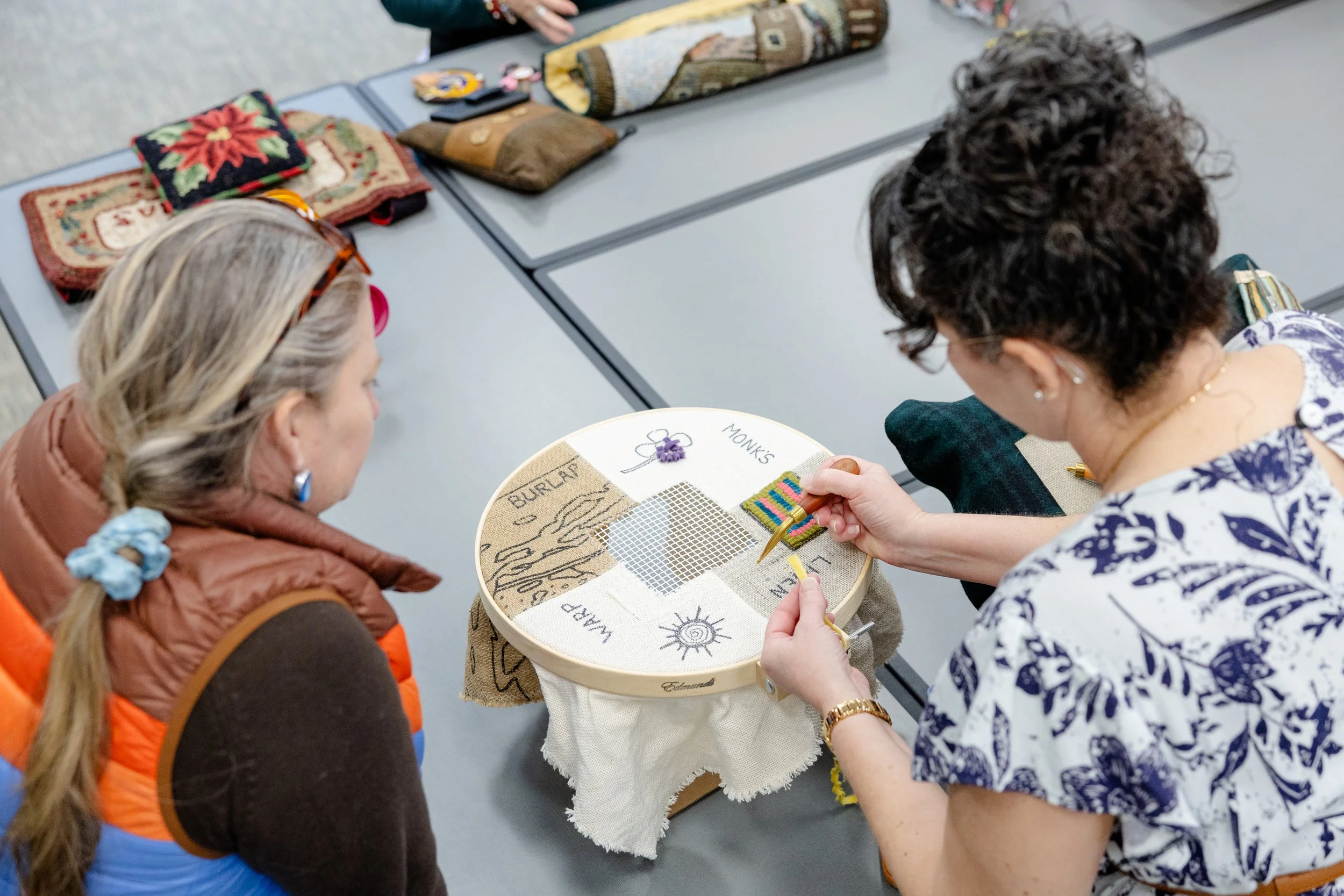
Early rug hookers hooked rugs by tucking burlap under their legs while seated and pulled loops through with a bent nail. It is good to keep this in mind when starting out. For the new rug hooker, it is not necessary to invest in everything all at once. You can take your time, be creative, and work with what you have. Rug hooking begins with a foundation cloth. The most common being linen, monk’s cloth, rug warp, or burlap. You can purchase foundation cloth with a pattern already drawn on it, transfer a design, or freehand draw your own. Next, we move onto a frame. An affordable option for a beginner is a homemade frame secured with T-pins. The goal is to keep the foundation material stretched tight; this makes pulling up loops much easier. For this reason, most rug hookers prefer to hook on a frame with gripper strips. Gripper strips are made with tiny, angled metal fingers to hold the foundation cloth in place securely. Frames can be simple and stationary, or with articulated features allowing them to bend and turn for a comfortable angle. Once the foundation material is securely set on a frame, we pick up a hook. Hooks come in many different handle styles and sizes. The one you choose will depend on what feels best in your hand and the wool cut size you are hooking. Finally, the hooking material. Most will be hooking with wool strips cut to the width of their choosing. However, one is not limited to just hooking with wool. Some choose to hook with recycled T-shirts, yarn, velvet, or other cloth. Mixing media in a project can add interest and excitement. Wool strips can be bought already cut, hand torn, or hand cut with scissors or a rotary cutter for those who have not invested in a cutting machine. Cutting machines vary from those that sit on a tabletop to those that clamp onto the side of a table or mount. These have different-sized blade cartridges that cut single to multiple strips at a time as you turn a handle and feed the wool through. Growing in popularity is the die-cut method. This method is done with a machine that uses special dies made for cutting up to three layers of wool at a time, producing multiple wool strips with one pass through the machine.
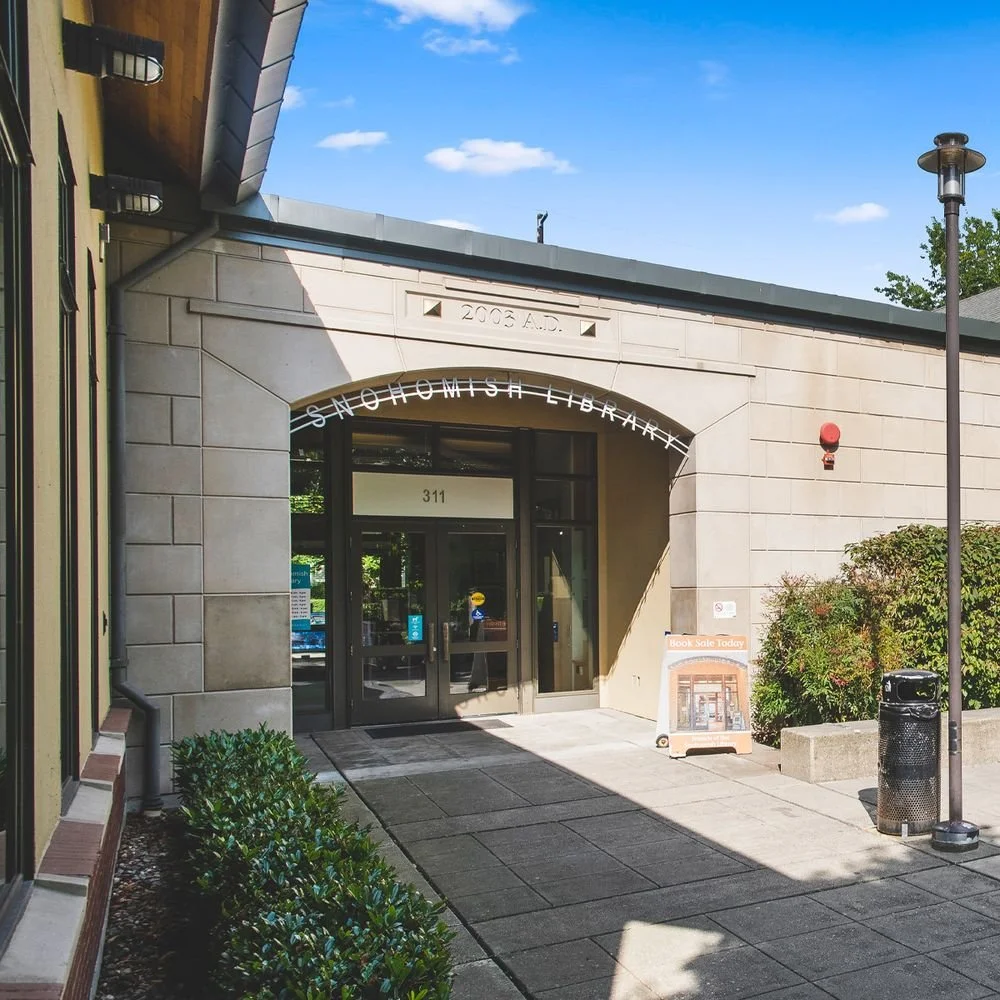
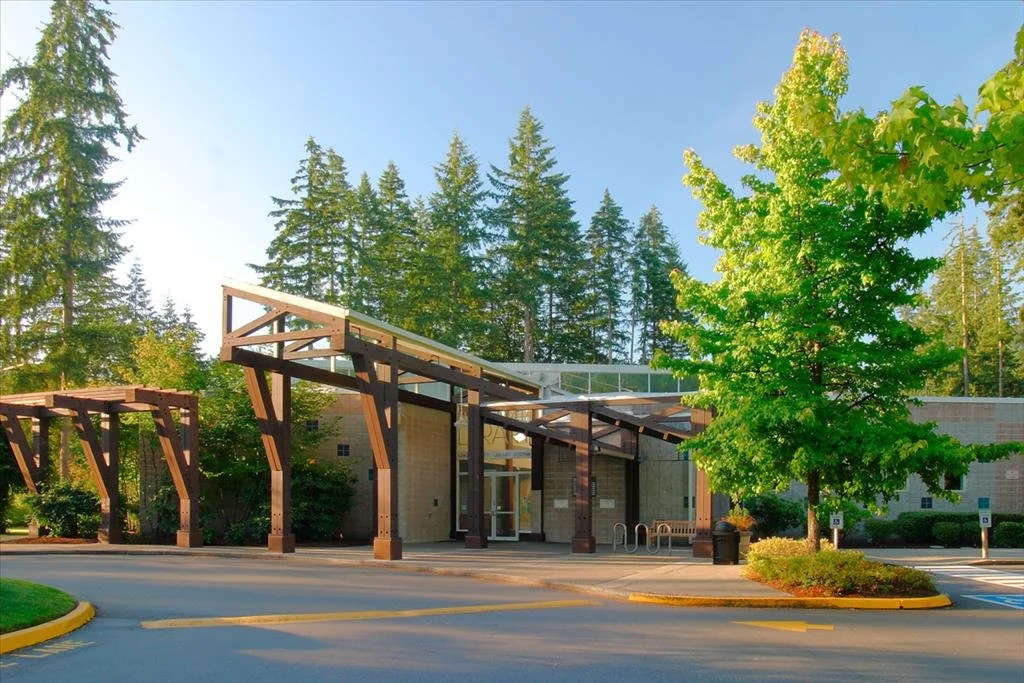
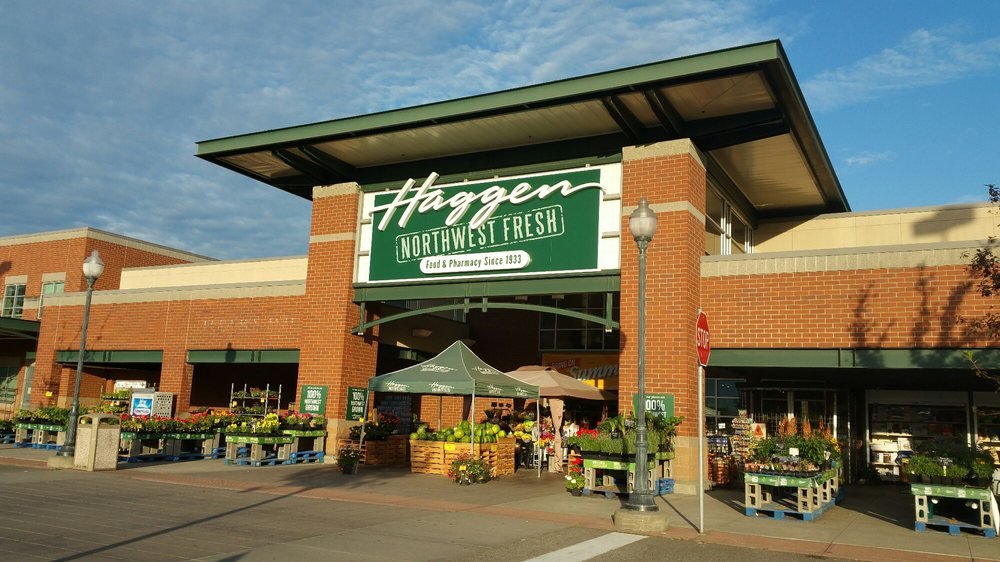
The best way to learn about traditional rug hooking is to connect with a local rug hooking group. Hook-ins offer a wealth of knowledge that has been passed down from one generation to the next, inspirational creativity, and community with other fiber artists. I attend three local hooking groups that meet monthly at the Snohomish and Woodinville libraries, and the Burlington Haggen’s Community Room. All fiber artists are welcome, so come on down and join us!
Local Rug Hooking Groups
Snohomish, WA: Wooley Chicks
Upcoming Snohomish Hook-in
September 23rd, 2026 | 12:30 pm - 4:30 pm
October 20th, 2026 | 12:00 pm - 4:00 pm
Meets monthly, 12:30 pm - 4:30 pm (times may vary); Snohomish Library, 311 Maple Ave.; 360-568-2898
*Hook-ins are usually held on the 3rd Wednesday of each month; call the library for confirmation.
Woodinville, WA
Upcoming Woodinville Hook-in
September 17th, 2026 | 12:30 pm - 4:30 pm
Meets Monthly, 12:30 pm - 4:30 pm (times may vary); Woodinville Library, 17105 Avondale Rd NE; 425-788-0733
*Hook-ins are usually held on the 2nd Thursday of each month; call the library for confirmation.
Burlington, WA: Skagit Valley Rug Hookers
Upcoming Burlington Hook-in
August 12th & 26th, 2026 | 12:00 pm - 3:00 pm
September 9th & 23rd, 2026 | 12:00 pm - 3:00 pm
Meets Monthly, 12:00 pm - 3:00 pm; Haggen Grocery Store (Community Room); 757 Haggen Dr., Burlington, WA 98233); 360-814-1500
Demonstrations
Fiber Fusion Northwest
June, 2027 Date & Time TBD
Evergreen State Fair
August 29th, 2026; 10:00 am - 9:00 pm (Rug Hooking)
September 5th, 2026; 10:00 am - 9:00 pm (Rug Hooking)
Come and enjoy the company and fellowship of other fiber artists, learning from one another, and passing down fiber art skills from one generation to the next. You can find our next hook-in date under the Events tab in our Facebook group, or by calling the Snohomish Library 360-568-2898; Woodinville Library 425-788-0733
Rug Hooking Supplies

Jennifer Kaylor
Snohomish, Washington State
Rug Hooking & Punch Needle Frames - Frame Covers - Tool Holders - Project Bags - Rug Hooking & Punch Needle Patterns - Aprons - Wool (in-person shopping)
Link to Online Shopping: Click Here
Discover the joy of wool art with Jenny Lynn Wool Creations, where creativity blooms!
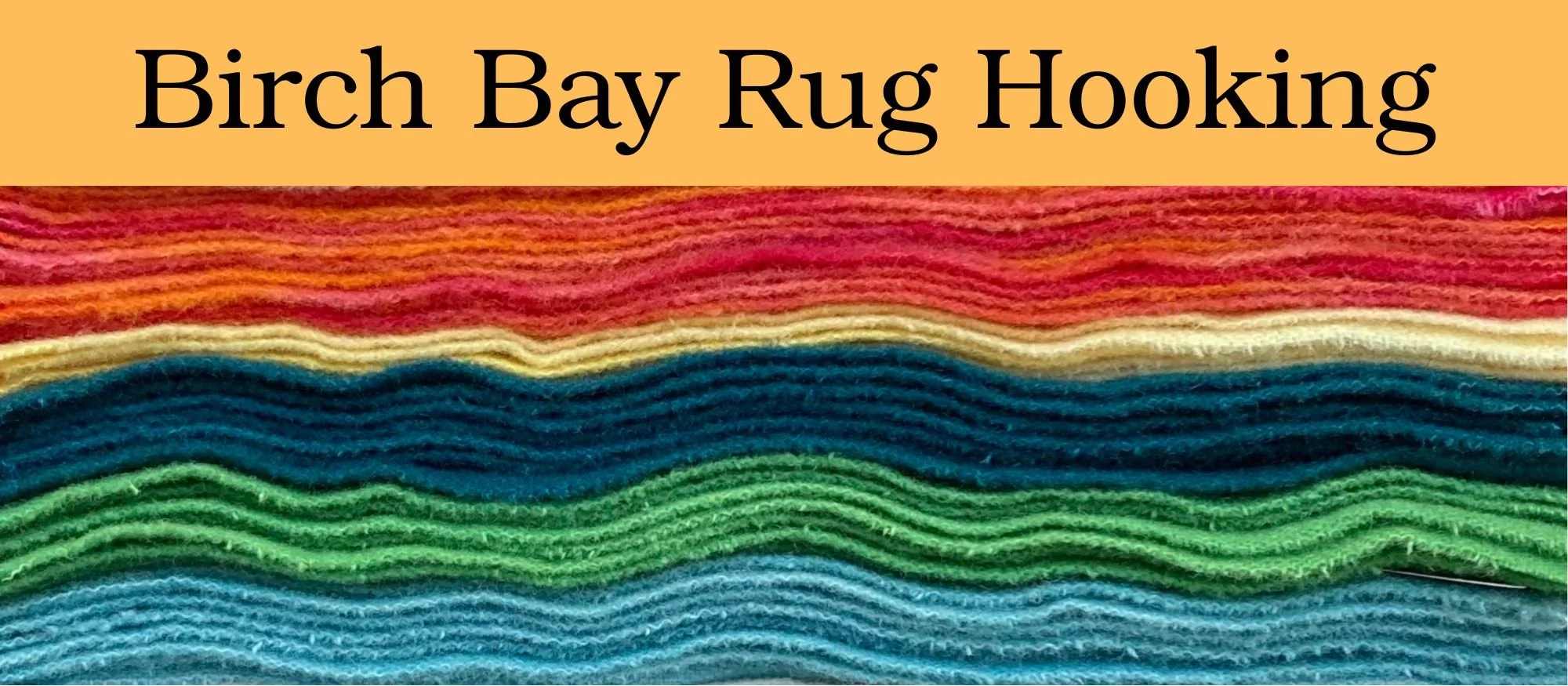
Heidi Grevstad, Certified McGown Teacher
Birch Bay, Washington State
Gift Certificates - Hand Dyed Wool - Hand Dyed Swatches & Bundles - Patterns/Kits & Books - Foundation Fabrics - Hooks & Scissors - Anthropologies Solids - Classes
Link to website: www.birchbayrughooking.com
Birch Bay Rug Hooking is one of my favorite places to shop for supplies.
“Wool can be purchased by appointment or at upcoming events. Email Heidi Grevstad, heidijgrevstad@gmail.com, to schedule an appointment. Birch Bay Rug Hooking has a limited supply of hand-dyed wool available at the Quilt and Fiber Arts Museum store in La Conner, WA.”
The Irish/Hartman Hook
The Irish Hook, Wexford, Ireland
Link to Etsy Shop: TheIrishHook - Etsy
Link to Ebay Shop: TheIrishHook - Ebay
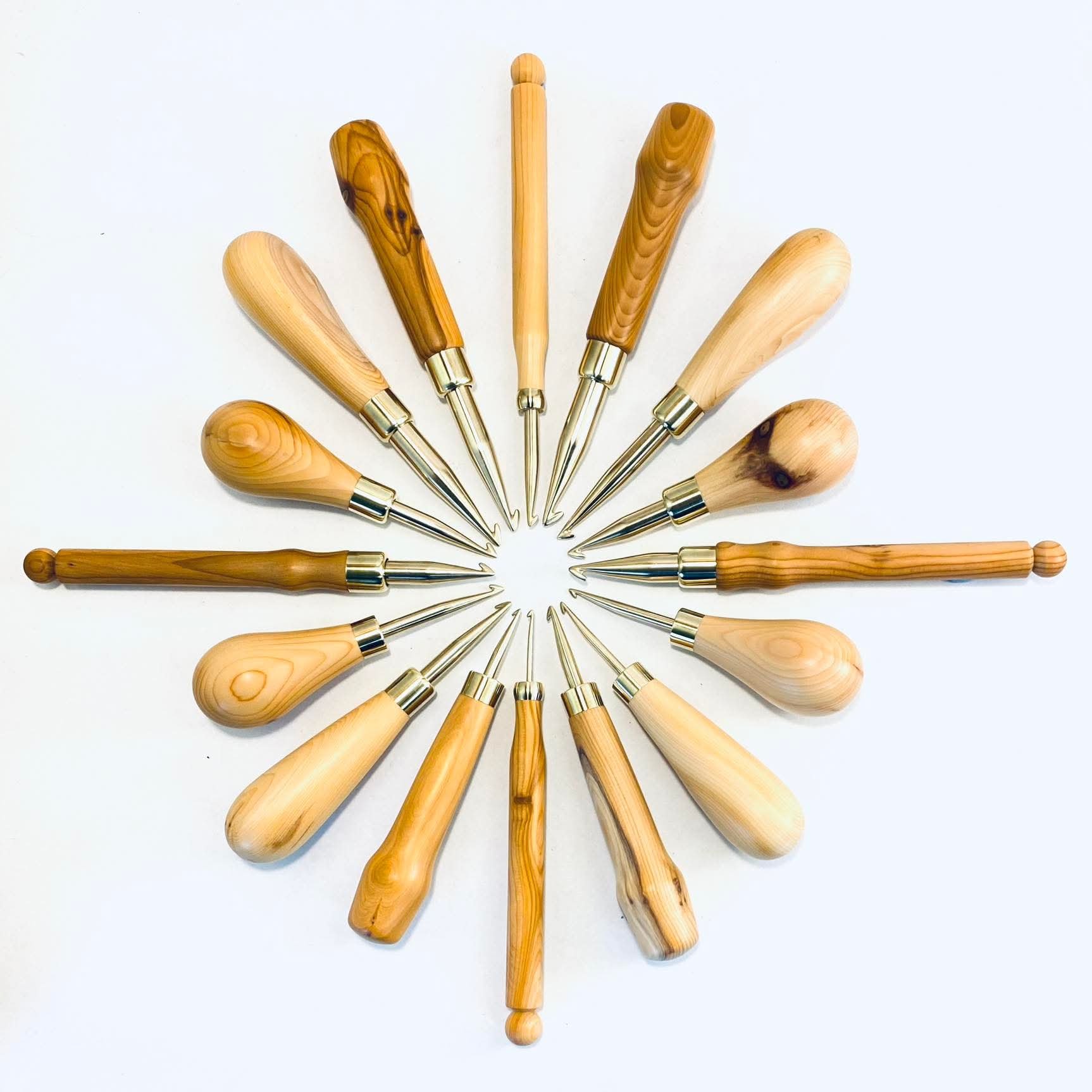
The “Irish Hook”, also known in the USA as “The Hartman Hook”, is a range of tools for the discerning rug hooker, individually handcrafted (the hook as well as the handle) with brass hooks and ferrules, and using locally-sourced Yew wood for the handles.
“We are a father and son outfit based in a pleasant corner of rural Southeast Ireland, and have been making these rug tools for over 30 years. We strive for perfection in our work and try to ensure that every tool that leaves our workshop is as good as we can make it, and so it will be a pleasure to own and use.”

Guild, New Hampshire
Link to website: www.dorrmillstore.com
Wool - Hooks - Cutters - Foundation Cloth - Frames - Dyes - Wool for Felting & Roving - OTF Threads - Rug Binding - Yarn
“Someone is always ready to assist you at the Dorr Mill Store. Just give us a call at 800-846-DORR (846-3677), or email us: contact@DorrMillStore.com. We are open Tuesday-Saturday 9-5. Shop online anytime.”

Wells, Maine
Link to website: www.wcushing.com
Hand Dyed Wool - All You Need to Dye - Tools of the Trade - Hooked Rugs for Sale - Patterns - Textured Wool - Yarns (Hook, Punch, Bind, or Knit) - Punch Needle (Patterns to Supplies) - Gifts
NOTE: Cushing & Co. is open by appointment only. Please call for an appointment. (207)360-0762; (207)360-0792
Rug Hooking Retreats
Washington & Oregon Retreats
I’m Attending & Vending
Camp Huston | Gold Bar, WA
January 24th - 29th, 2027
October 22nd - 25th, 2026
Oregon Rug Retreat | Lincoln City, OR
April 25th - 29th, 2027
NWRH Annual Meeting and Hook-in | Vancouver, WA
September 25th - 26th, 2026
Region 11 Rug Hooking Information
NW RUG HOOKING CHAPTER 77
What is ATHA?
The Association of Traditional Hooking Artists (ATHA) is an international fellowship of artists that fosters individuality and diversity in rug hooking. It is open to those persons interested in Rug hooking. Our Region 11 (and Northwest Rug Hooking Chapter 77) represents Alaska, Oregon, Washington, and Western Canada.
The organization's goals include:
To develop and promote interest in traditional rug hooking
To maintain high standards and encourage creativity in this art form
To provide the means for an exchange of ideas and information among members
To promote educational activities to enhance the interest in, and the quality of rug hooking.
Our History
In August 1977, thirteen women formed the Northwest Rug and Tapestry Hooking Guild. Membership grew as other groups around the area joined the guild. Workshops were held in various locations throughout Oregon and Washington.
The Guild was invited to merge with ATHA, and during the 1980 annual meeting it was decided that we join. ATHA Region 11 was officially born. Members of the region share the art of hooking in many ways, including demonstrating rug hooking at state and county fairs or fiber events, holding annual hook-ins in their communities, displaying rugs in local businesses and public buildings, and coordinating teachers to come to the beautiful Pacific Northwest for workshops.
Website: www.atharegion11.com
Email: newsletter@atharegion11.com

Education
McGown Teachers Workshop Series
“The McGown Teachers Workshop Series is designed as a certification process for teachers of the craft of rug hooking. The program allows individuals to further their knowledge and interest in the craft of tapestry rug hooking.
The workshops include both lecture and instruction on improving technique, studying color theory, and planning, as well as dyeing techniques. The workshops use patterns from our line of CHARCO Rug Hooking Patterns.
Honey Bee Hive is proud to sponsor these workshops to further promote the art of rug hooking. For more information about becoming a Certified McGown Teacher, contact us at patterns@rughook.com.”
